
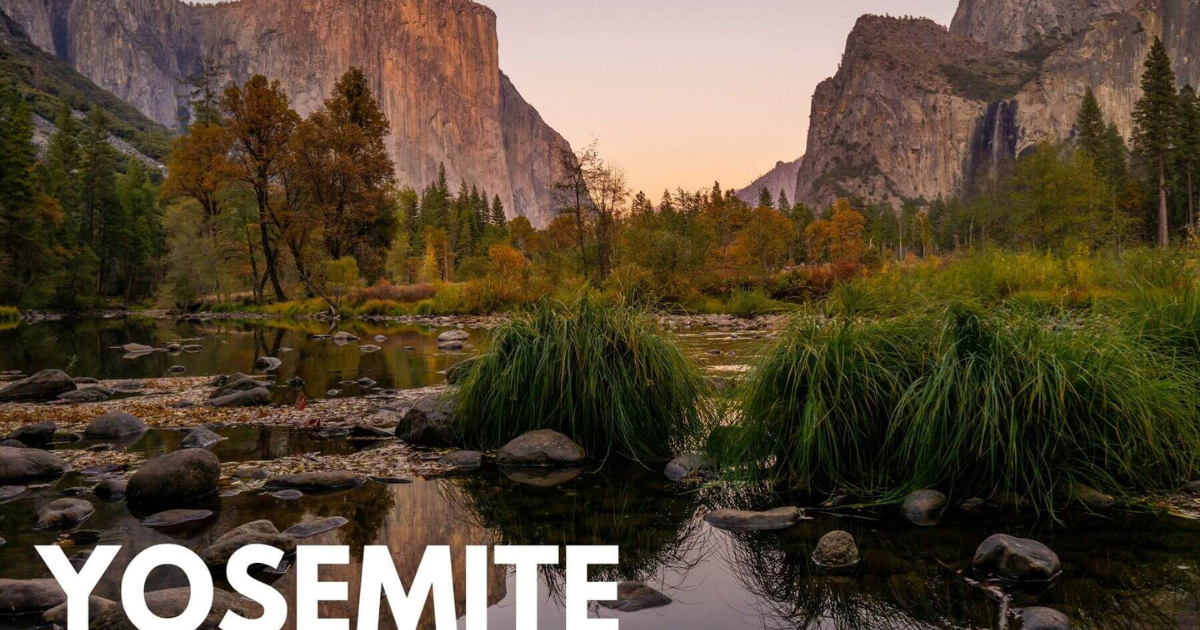
Yosemite National Park (California) is more than just a vacation spot; it is a masterclass in the phrase “first rate.” While Yellowstone holds the title of the primary reputable national park, the granite cathedrals and giant sequoias of Yosemite National Park (California) were so breathtaking that Abraham Lincoln signed a bill to protect them in 1864—right in the middle of the Civil War. Whether you are an elite rock climber or a traveler searching for a quiet stroll through historical groves, this landscape redefined American conservation.
A Presidential and Philosophical Legacy
Yosemite’s splendor had a profound effect on the American psyche. In 1903, Teddy Roosevelt embarked on a tenting experience here that would result in the advent of the National Park and National Forest systems. Roosevelt was particularly moved by the giant sequoias, declaring them “the simplest matters in their kind in the world.”
The park also served as the “birthplace” of contemporary conservation thoughts. Within the Tuolumne Meadows segment, site visitors can hike to the spot where John Muir and editor Robert Underwood Johnson first mentioned the idea of organizing the park to protect it for future generations.
Navigating the Seasons: When to Visit Yosemite National Park (California)
Timing is the whole thing if you want to enjoy the park’s majesty without the crowds. The National Park Service reports that 75% of the 4 million annual site visitors arrive between May and October, with the peak going on from June to August.
- The Winter Magic: Winter is a “magical” season wherein waterfalls freeze strong and snow blankets the meadows. It’s the precise time for snowshoeing at Badger Pass.
- The “Candy Spot”: For people who pick milder weather without peak-summer crowds, early spring and late fall offer the nice stability of accessibility and solitude.
The Granite Kingdom: Iconic Peaks and Views
Yosemite is a world-fame climber’s paradise, defined by its big granite partitions. However, you don’t need to be an expert athlete to experience the views:
- Glacier Point: Available by car, this legendary spot offers a breathtaking sweep of Yosemite Valley and the Sierra crest.
- Half Dome: For hikers, a 16-mile return trek leads to the summit, presenting an angle of the California wilderness that is surely remarkable.
- El Capitan: This iconic monolith remains the gold standard for rock climbing routes globally.
A Tapestry of Cultural History of Yosemite National Park (California)
Yosemite National Park (California) tale started out hundreds of years ago with indigenous tribes just like the Miwok and Paiute. Seven contemporary American Indian tribes trace their roots to these lands, where they hunted, fished, and moved seasonally through the mountains.
Site visitors can explore these deep records at the Yosemite Museum or walk through the reconstructed Indian Village. The park also honors the “Buffalo Soldiers”—about 500 African American soldiers who guarded the park between 1891 and 1913, supporting the construction of trails and shielding the land long before the modern-day Park Service existed.
Living Landmarks: Pioneers and Upkeep Yosemite National Park (California)
Past the herbal wonders, Yosemite is home to ancient sites that tell the story of early settlers. At Wawona, the Pioneer Yosemite History Center features a collection of homes from the 19th century. Interestingly, the park played a role during World War II; the famous Ahwahnee Hotel was converted into a naval hospital, serving as a sanctuary for recovering soldiers.
Questions & Solutions
- Q: Did Yosemite end up the primary professional National Park in the U.S.?
- A: No. While Abraham Lincoln included the location in 1864, Yellowstone was named the first legitimate park in 1872.
- Q: What activities are to be had for site visitors who brave the winter temperatures?
- A: Winter site visitors can revel in snowshoeing and skiing at Badger Pass, ice skating at Curry Village, and walking through snowy redwood groves.
- Q: Who were the “Buffalo Soldiers” in the park?
- A: They were African American soldiers who guarded the park between 1891 and 1913, building essential trails and infrastructure.
- Q: Where can travelers go to learn about indigenous history?
- A: The Yosemite Museum and the Indian Village offer cultural demonstrations, art galleries, and a reconstructed Miwok-Paiute village.
- Q: What role did the Ahwahnee Hotel play during WWII?
- A: The lodge was converted into a naval health facility to assist treat and house recuperating squaddies.
Conclusion: A Timeless Sanctuary
Yosemite National Park (California) remains a testimony to the electricity of upkeep and the iconic beauty of the American West. From its soaring granite monoliths to the quiet, ancestral whispers of the Sierra Nevada, the park offers more than just a scenic backdrop—it offers a deep connection to history. Whether seeking a global-class climb or a stroll through groves that inspired presidents, it stands as a magnificent resource to discover and defend.