
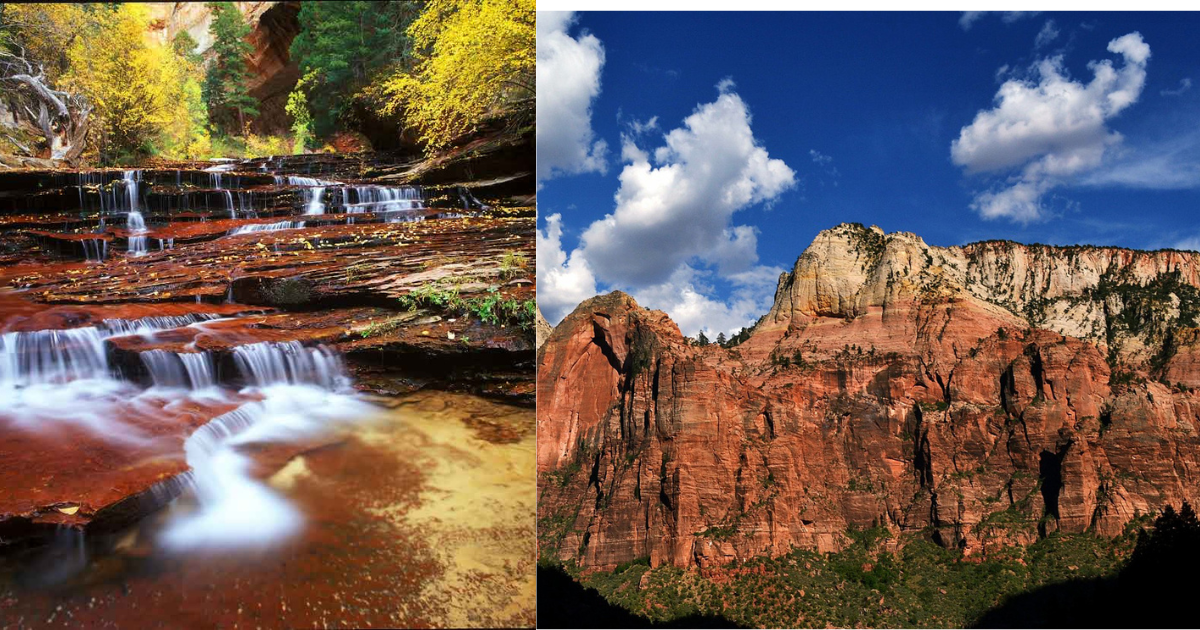
Zion National Park (Utah) is more than just a destination; it is a profound testimony to the power of preservation. From its soaring Navajo Sandstone cliffs to the quiet rustle of the Virgin River, this park stands as a masterclass in balancing breathtaking natural beauty with responsible public access. As we celebrate its legacy, we discover the history, landscapes, and management strategies that make Zion National Park (Utah) a crown jewel of the American West.
A Legacy of Safety: From Mukuntuweap to Zion Park
The journey to establish Utah’s first national park was a long one. For centuries, the region served as a home and spiritual sanctuary for Native American organizations, including the Virgin Branch Puebloan and Southern Paiute people.
-
1909: President William Howard Taft declared the area as Mukuntuweap National Monument.
-
1918: Officials changed the name to Zion—Hebrew for “place of refuge”—to broaden the park’s appeal.
-
1919: On November 19, Congress formally redesignated the site as Zion National Park (Utah).
Nature’s Masterpiece: The Landscape of Zion National Park (Utah)
The park is a geological crossroads where the Colorado Plateau, the Great Basin, and the Mojave Desert meet. This unique intersection creates four distinct life zones: desert, riparian, woodland, and coniferous forest.
Tan and reddish Navajo Sandstone defines the park’s vertical landscape worldwide. These walls reach depths of nearly 3,000 feet in Zion Canyon, carved over eons by the relentless North Fork of the Virgin River.
A Biodiversity Hotspot in Zion Park
Beyond the stone, Zion National Park (Utah) is a thriving sanctuary for life:
-
Vegetation: Over 1,000 species, including more wildflowers than anywhere else in Utah.
-
Birds: 289 species, from the majestic California condor to the rare Mexican spotted owl.
-
Mammals: 75 species, including bighorn sheep that navigate the precarious cliffs with ease.
A Model for Modern Preservation in Zion Park
With almost 5 million visitors annually, the park has become a leader in sustainable tourism. To protect the “visual character” of the land, Zion National Park (Utah) utilizes:
-
The Mandatory Shuttle System: During peak seasons, this reduces vehicle traffic and noise pollution.
-
Permit Lottery: High-traffic areas like Angels Landing are managed via permits to ensure hiker safety.
-
“Leave No Trace” Requirements: A park-wide effort to educate visitors on keeping the wilderness pristine.
Planning Your Visit to Zion National Park (Utah)
-
Spring: Mid-April brings wildflowers and rushing waterfalls from snowmelt.
-
Summer: The most popular time. Arrive early to beat the heat.
-
Fall: Arguably the most beautiful season as cottonwoods turn gold against red rocks.
-
Winter: The quietest season, perfect for solitude and viewing bighorn sheep.
Be a part of the movement in Zion Park
Zion countrywide Park reminds us that natural splendor does no longer remain pristine by means of twist of destiny; it remains this way because of deliberate alternatives and a shared belief that those landscapes outline our country wide identification. help Scenic America recommend for our herbal belongings these days so the parks we adore continue to be for tomorrow.
That will help you engage with the story of Zion country wide Park.
What is the true name of Zion National Park, and why has it changed?
While the location was first blanketed in 1909, it became unique via President Taft as Mukuntuweap National Monument. The name was modified to Zion in 1918 via Horace Albright, the appearing director of the countrywide Park service. The alternate end up made because of the reality many officials believed that the unique Paiute name can be too hard for vacationers to pronounce and that “Zion”—a time period used by neighborhood Mormon settlers that means “location of safe haven”—might have a broader enchantment to most of the people.
How does Zion’s specific region make a contribution to its biodiversity?
Zion is a “geological crossroads” where three exceptional areas meet: the Colorado Plateau, the super Basin, and the Mojave barren region. Because of the reality the awesome environments intersect, the park helps four wonderful lifestyles zones—barren place, riparian, wooded location, and coniferous wooded vicinity. This allows for an uncommon type of existence, at the side of over 1,000 plant species and almost three hundred fowl species.
What geological way created the towering cliffs of Zion Canyon?
The park’s panorama is described through the manner of Navajo Sandstone, which represents 150 million years of sedimentation. The deep canyons were generally fashioned via the erosive strength of the North Fork of the Virgin River. Over hundreds of heaps of years, the river lessened through the stone because the Colorado Plateau changed into uplifted, resulting in canyon walls which can be nearly three,000 feet deep in some places.
How does the park manipulate its excessive quantity of website visitors while shielding the surroundings?
Zion uses numerous thoughtful management techniques to stability public get entry to with preservation:
Obligatory trip system: To reduce car site visitors, noise, and visible pollutants in the essential canyon.
Permit Lottery: Immoderate-name for trails like Angels landing require lets in to save you overcrowding and make certain hiker safety.
Path Networks: Properly-defined paths preserve website online visitors far from sensitive habitats, at the same time as “depart No trace” training encourages responsible conduct..
Which seasons are advocated for website traffic who need to avoid crowds or see specific natural features?
For the ones trying to keep away from summer time crowds, Spring and wintry weather are ideal. Spring offers blooming wildflowers and dashing waterfalls from snowmelt. Fall is considered one of the prettiest seasons due to the fact the foliage of cottonwoods and aspens adjusts coloration. Winter is the quietest season, offering an extra solitary enjoyment and the hazard to see frozen waterfalls and flowers and fauna like bighorn sheep.
Conclusion:
Zion country wide Park is an effective reminder that iconic landscapes stay pristine only through deliberate protection. Via balancing global-elegance activity with modern conservation techniques, the park serves as a national version for upkeep. In the long run, Zion is greater than a scenic wonder; it’s far from a shared responsibility, making sure that its “area of safe haven” stays a sanctuary for both the natural world and the human spirit for loads of years yet to come back.