
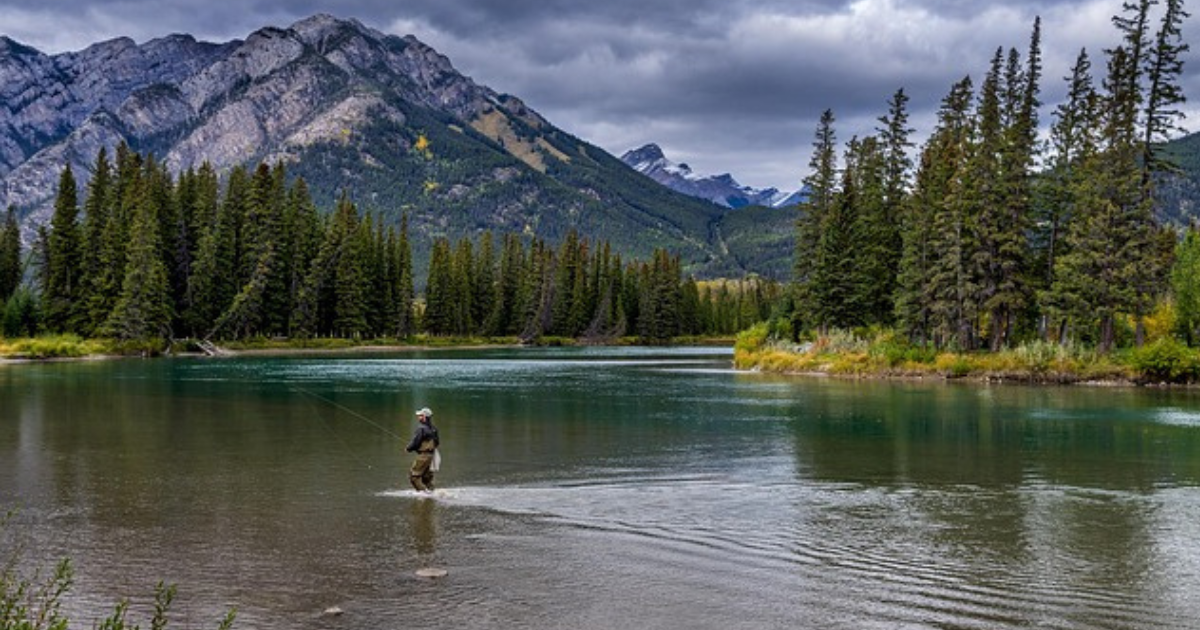
Wilpattu national park is not a sightseeing site, it is an expansive breathing living memory of how powerful nature can be and how rich the history of Sri Lanka is. It is the largest and the oldest national park in the nation that occupies an area of over 131,693 hectares. A distinctive type of water basin known as a Villu is featured in Wilpattu; these natural, sand-based basins are celebrated for being ancient, secretive, and remarkably genuine. Wilpattu is, as compared with the busier parks of the south, an off-the-beaten-path experience that, with patience and persistence, will reward the traveller with leopard, sloth bear and a dizzying variety of bird life.
1.A Journey through Time in Wilpattu national park:
History of Wilpattu. Wilpattu has a close relationship with the history of the development of the Sri Lankan civilization. In 543 BC, according to legend, Prince Vijaya of India was shipwrecked and landed in the park at the Kudiramalai Point (Horse Mountain) within the park. It is here that he married Queen Kuweni and the Sinhalese kingdom started. The area became a sanctuary in 1905. It was declared a National Park in 1938. The park has a history of conflict. It was closed for 16 years during the Sri Lankan Civil War. It reopened in 2003. Since then, it has regained its status as a top wildlife destination. Recovery has been slow but steady. Ancient archaeological ruins still tell tales of its royal past.
2. The Rhythm of the Land in Wilpattu national park:
Climate and Terrain. Wilpattu is in the northwest of dry zone in the Sri Lanka. The climate features a unique dry season from May to early September. The Maha monsoon follows from October to January. This seasonal cycle defines the park’s environment. Wilpattu is remarkably unique due to its specific terrain. In particular, it consists of an intrinsic composition of thick dry-monsoon forests, open grasslands, and, above all, the Villus. The park contains approximately 60 of these natural lakes. Since rainwater is the primary water source, the water levels vary significantly according to a seasonal pattern. Consequently, these fluctuations determine the migration patterns of all living organisms within the park.
3. A Birdwatcher in Paradise in Wilpattu national park:
Wetland and Woodland Species. Wilpattu is almost a hot spot to the ornithologists. The park is a significant migration path to migratory birds and permanent home to endemics. Wetland Birds: The villus boast of a spectacular water bird life. Visitors can watch the flight of the Painted Stork, Great White Egret, and Spoonbill. Additionally, several species of Kingfishers can be seen flying around the water’s edge. Woodland Birds: In the bushes, you can hear the Sri Lanka Junglefowl (the national bird) calling, or you can see the Malabar Pied Hornbill. Crested serpent eagles and changeable hawk-eagles hunt in the open country. You can also find the brown fish owl here. These owls often sit near the water’s edge at night. These great predators are common sights throughout the park.
4. Boundary Conflict, The Expanding Horizon in Wilpattu national park:
The boundary of the park has been a major point of national disagreement in the past few years. In 2012, the government gazetted an extension to the park to include more forest land in the Northern Province. This was a conservation win but it caused a strain over the people displaced by the war returning to their homes. This boundary extension underscores the fine line that Sri Lanka would have to walk between environmental conservation and the humanitarianism of its people.
5. The predicament of Shadows:
Deforestation and Conservation. Wilpattu faces the constant threat of deforestation despite its status as a protected area. Consequently, protecting “buffer zones” has become essential for the park’s future. If these surrounding forests are destroyed, the park will effectively become a biological island. As a result, the gene flow necessary for the long-term survival of large mammals, such as elephants and leopards, will be permanently disrupted.
6.The thrill of the Chase:
Wilpattu Safari game Drives. A safari in Wilpattu is a coaching approximately patience and praise.Wilpattu is a huge park. You can enjoy the space even if you are alone. Other parks often have jeeps congesting around a single sight.Morning drives begin at 6:00 AM. They are excellent for spotting the shy sloth bear. These bears are usually finishing their nightly forage.Afternoon drives offer different sightings. Leopards come out of the shadows around 3:00 PM. They bask in the sun on the sandy tracks. You may also see them drink at the villus.
7. Luxury In The Wild:
Tented Safari Camps. In order to fully enjoy Wilpattu, it is necessary to be in the place of the wild creatures. Tent-style safari camps sit on the park boundary. They offer a luxurious glamping experience. You can sleep in a warm, canvas-suited bed. Hot showers are available. You might be woken by a spotted deer’s call.You could also hear an elephant’s trumpet. These camps blend adventure with comfort. Furthermore, sustainability is a central theme of these camps. In addition, they provide professional naturalists who turn an elementary impulse into an ecological masterclass.
8. Beyond the Park:
Sri Lanka Wildlife Circuit. Wilpattu is a particular wildlife park that is a must in any Sri Lankan wildlife tour, but not the only one. A Wilpattu safari can be used in conjunction with: Bird Watching in Mannar: Migrating famous flamingos. The Cultural Triangle: History and nature There exist some places where history and nature intersect like Minneriya (The Elephant Gathering). Marine Safaris: The northwest coast is the ecological giant, there the Kalpitiya which is close to the area where you can observe the Blue Whales and Spinner Dolphins.
9. The Spotted Icon:
Leopards and Other Inhabitants. The leopard, though he is the undoubted star–the bold males, whose abodes are frequent around the Kumbuk Vila, are well known–the supporting cast of the park is no less interesting. The Sloth Bear: Wilpattu is probably the most worthwhile place in Sri Lanka to find these shaggy-coated honey lovers.Huge mugger crocodiles lie on the banks of the villus. Soft-shelled turtles live here too. Several species of monitor lizards inhabit the park. Spotted deer are the primary prey for leopards. Occasionally, a lone bull elephant roams the scrub.
10. Real-life Advice to a Phenomenal Experience. Season of the year:
The best seasons to see are in dry months (June September). Dress: Dress in earthy clothing to fit in. Etiquette: Do not ever disobey your guide. Feed not the animals, keep it low. Ah, even the animals think it is funny that humans should do wrong things, that is, they will just fail into the brush and spoil your view!
Questions & Answers
Q1: What should be the duration of stay in Wilpattu National Park?
A1:A single day-trip is possible. However, two days is the “sweet spot.” This stay allows for four game drives. You can go twice in the morning and twice in the afternoon. More drives increase your chances of wildlife sightings. You are more likely to see leopards, elephants, and sloth bears.
Q2: Is Wilpattu children friendly?
A2: Yes, subject to a condition. The drives may be protruded and bulky.This experience is most appropriate for children aged 6 and older, provided they are patient enough for long periods of silent searching. To support this, a variety of tented camps offer specialized programs tailored specifically for children.
Q3: How is Wilpattu different to Yala national park?
A3: Yala is more popular and has a larger concentration of leopards though it is usually very crowded. Wilpattu is bigger, calmer and has the special Villu ecosystem that Yala does not have. It is the option of the purist safari-traveller.
Q4: Is it possible to have a break during the safari?
A4: Yes.You can leave the jeep at specific resting areas like Kumbuk Vila. Facilities are available there. You can have a full breakfast or lunch with a view of the water. You cannot park the car anywhere else for safety reasons.
Q5: Do you have any birds of prey that I should watch?
A5: Be on the lookout of the White-bellied Sea Eagle. It is a sea-bird, but is often found flying over the greater villus, distant inland, in search of fish.
Conclusion
Wilpattu National Park demands time and patience. The rewards are beyond comparison. History lingers in the air here. The landscape remains largely unchanged since the first kings arrived. The park is a haven of biodiversity. You can find tiny wetland birds and mighty leopards. Wilpattu must be protected at all costs. This destination should not be missed by anyone seeking a true Sri Lankan safari adventure.