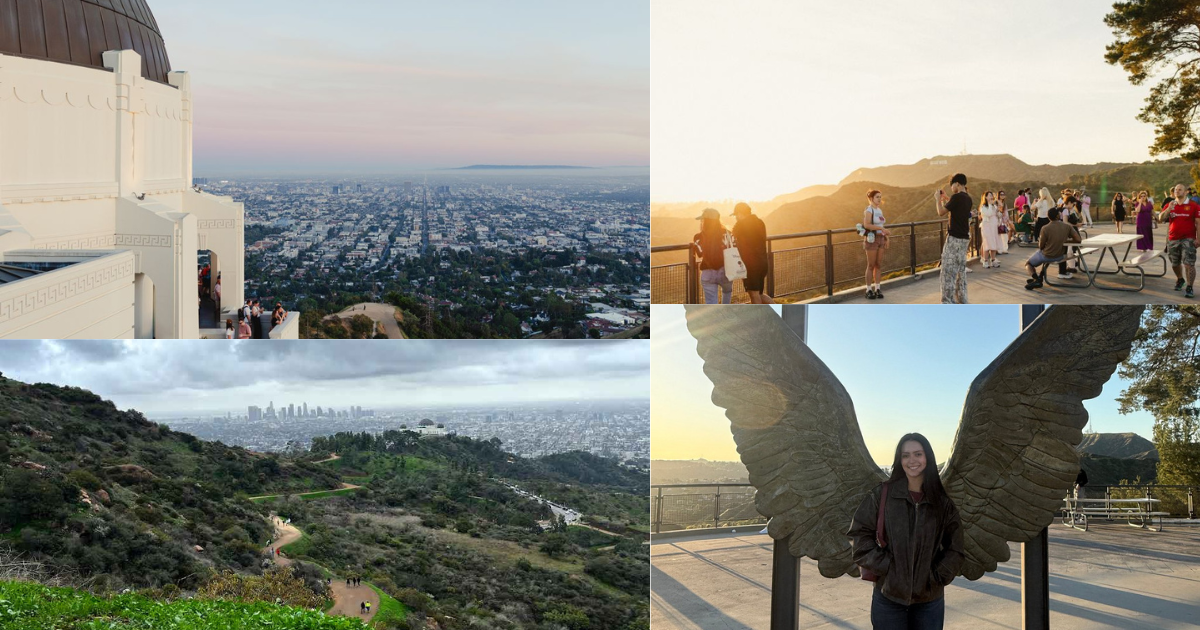
Griffith Park spans 4,310 acres inside the eastern Santa Monica Mountains, making it one of North America’s largest municipal parks. Initially, the land was donated to Los Angeles in 1896 by philanthropist Griffith J. Griffith. Today, this rugged “city wilderness” draws over 10 million visitors every year. Specifically, key attractions include the Griffith Observatory, L.A. Zoo, and the iconic Hollywood Sign. Furthermore, with 50+ miles of hiking trails, the park offers a unique blend of untamed chaparral and cultural institutions that is unmatched by Central Park or Golden Gate Park.
The Contradictory Legacy of Griffith Park
The park owes its existence to one of Los Angeles’s most complicated historical figures. Griffith Jenkins Griffith, a Welsh-born industrialist, purchased the Rancho Los Feliz land in 1882. Subsequently, on December 16, 1896, Griffith and his spouse Christina donated 3,015 acres to the city. In addition, they provided explicit instructions regarding the land’s purpose. Specifically, Griffith believed that public parks act as a “safety valve” for great cities. Consequently, he argued that these spaces must remain attractive and easily accessible.
However, Griffith’s reputation unraveled in 1903 when he shot his wife. As a result, he served time in San Quentin. Nevertheless, his philanthropic vision endured. In fact, it was only after his death in 1919 that the city accepted the funds from his will to build the Greek Theatre and Observatory. Ultimately, as historian Mike Eberts notes, “You do not have to be a splendid person to do an awesome thing.”
Indigenous Roots: The Tongva Presence in
Griffith Park
Long before Griffith’s donation, the land was home to the Tongva people. Specifically, the Tongva village site “Mocovenga” is associated with the Ferndell section of the park. Moreover, this presence reminds visitors that the landscape was cared for for millennia before European contact. Consequently, these indigenous roots add layers of cultural significance beneath the park’s modern attractions.
An Urban Wilderness by Design
Unlike the manicured landscapes of Central Park, Griffith Park was intentionally preserved as untamed terrain. Indeed, the Recreation and Parks Commission officially designated it an “urban wilderness” in 2014. With elevations reaching 1,800 feet, the park provides panoramic views of the Pacific Ocean. Therefore, local chaparral ecosystems dominate the landscape, providing a home for diverse California wildlife.
Iconic Cultural Landmarks
Because the park is so vast, its attractions are often grouped by their cultural impact. For instance, the Griffith Observatory (opened in 1935) remains an Art Deco landmark that offers free admission to space science exhibits. Additionally, the Greek Theatre provides a world-class outdoor venue for legendary performers. Furthermore, families often flock to the L.A. Zoo & Botanical Gardens, which houses over 1,400 animals. Finally, the Autry Museum of the American West explores the complex histories of the frontier through art and artifacts.
Nature and Unique Attractions in
Griffith Park
In addition to large institutions, the park features several smaller, unique sites. For example, Travel Town Museum is a favorite for train enthusiasts, featuring 19th-century steam engines. Meanwhile, those seeking the best Hollywood Sign Viewpoints often head to the Charlie Turner Trail. For a different experience, visitors can explore Bronson Canyon, a famous filming location for the 1960s Batman series.
Similarly, Fern Dell offers a shaded retreat for those looking to escape the heat. Another notable spot is Amir’s Garden, a five-acre hillside replanted by hand by an Iranian immigrant. Lastly, the Old Zoo offers an eerie glimpse into the past, where abandoned animal enclosures now serve as unique picnic areas.
Hidden Histories: Darker Chapters
While the park is a place of joy today, it has seen darker times. Notably, during World War II, a camp in the park was used as a detention center for Japanese Americans. Furthermore, the 1933 Fire Tragedy remains one of the deadliest firefighting disasters in California history. Specifically, twenty-nine men lost their lives while attempting to fight a brush fire with inadequate equipment. Consequently, these events are vital to understanding the park’s full historical context.
Visitor Information and FAQs about
Griffith Park
To help you plan your visit, here are some essential details regarding activities and logistics:
-
Hiking: The park offers 50+ miles of trails for all skill levels. For example, the Mount Hollywood trail is a popular choice for views.
-
Equestrian: Dust bridle paths are available for horseback riding. In addition, rentals are located near the L.A. Equestrian Center.
-
Cycling: Paved roads are open to cyclists, although weekend vehicle restrictions may apply.
Frequently Asked Questions:
-
Is entry free?
-
Yes, park access is free, though specific attractions may charge a fee.
-
How does it compare to Central Park?
-
In comparison, Griffith Park is more than five times larger than Central Park.
-
Can you hike to the sign?
-
While you can hike to viewpoints, the sign itself is on restricted land.
Conclusion
In summary, Griffith Park is Los Angeles’s essential breathing space. From its Tongva origins to its status as a cinematic icon, the park remains true to its founding principle as a democratic sanctuary. Despite its complicated history, the park endures as a vital part of the city. Indeed, it functions as the metropolis’s “great equalizer” for all residents. For instance, it welcomes over 10 million visitors every year. Consequently, it has become a cherished shared space where people can hike, study, and escape the urban sprawl.