
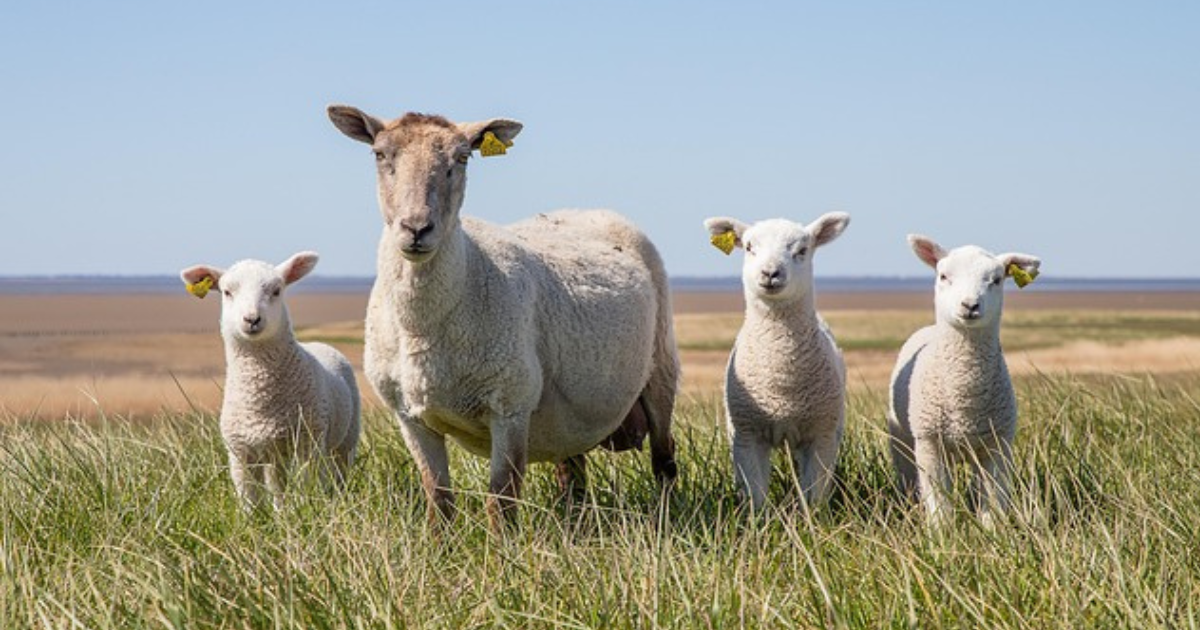
Bundala National Park orchestrates land and sea into a 6,216-hectare symphony of biodiversity. Located in Hambantota, this maze of scrub jungles, lagoons, and salt pans serves as a premier international wetland. Its critical role in supporting migratory birds earned it the distinction of being Sri Lanka’s first Ramsar site.
A Conservation lifestyle: Bundala history.
Bundala is giant numerous decades antique. In 1969, it changed into declared a flora and fauna sanctuary and in 1993, it become declared a national park. Its ancient significance is that it is a iciness habitat of lots of migratory birds which travel through central Asian Flyway. it is the fourth biosphere reserve in Sri Lanka, and changed into declared a Biosphere Reserve by using UNESCO in 2005. By fostering this awareness, we help safeguard the wildlife while simultaneously maintaining the balance between local communities and the ecosystem. Consequently, this holistic approach ensures that conservation efforts benefit both the natural world and the people who live alongside it.bodily characteristics: A Mosaic of Ecosystems.
The geography of the park is exclusive to the inland jungles in Yala or Udawalawe. five shallow brackish lagoons are the characteristics of Bundala:
- Bundala Lagoon
- Embilikala Lagoon
- Malala Lagoon
- Koholankala Lagoon
- Mahalewaya Lagoon
A big barrier of sand dunes separates these lagoons with the Indian Ocean. The bodily landscape is a topography of coastal scrubland, salt marshes and sandy beaches that make up the rich bodily landscape that sustains aquatic and terrestrial lifestyles.
Flowers: Dry quarter plants in Bundala National Park:
The dry-zone thorny scrub characterizes Bundala’s landscape, yet an astonishingly rich flora thrives despite the arid climate. The Palu and Maliththan trees dominate the canopy, while salt-resistant plants and mangroves line the lagoons to shelter fish and shrimp nurseries. Additionally, the Lunuwarana tree provides a vibrant burst of color, blooming brilliantly against the dusty green scrubland.
Birdlife: A Birders Paradise in Bundala National Park:
Bundala is reputed to be the most suitable fowl watching website online in Sri Lanka. it is home to nearly 200 species of birds, the great being the migratory season (September to March). The lagoons are covered with crimson, white and grey and hundreds of birds flock to banquet presently.
Extremely good chicken Species:
More Flamingo: It become the former star of the park and the traffic arrive in massive numbers depending on the amount of water.
Spot-billed Pelican: a appropriate resident, that is possibly to be met with at the lagoons.
Lesser Whistling Duck: are regarded to make a totally unique whistling sound when flying.
Painted Stork and Asian Openbill: those are large waders that may be determined in the marshy boundaries.
Black winged Stilt: They may be recognized by means of long and thin crimson legs.
Eurasian Spoonbill and sleek Ibis: special feeders which filter through the silt inside the lagoon.
Bundalas Elephants and Mammals in Bundala National Park:
While birds remain the primary attraction, Bundala also shelters 32 diverse mammal species. In particular, the park hosts a steady elephant population, though these individuals behave differently than those in other regions. Unlike the massive herds of Minneriya, Bundala’s elephants typically roam the lagoons and scrublands as solitary bulls or within small, intimate groups.
Beyond birds, spotted deer, wild boar, and elusive golden jackals roam the landscape. Furthermore, marshy pockets shelter the rare fishing cat, establishing the park as a premier sanctuary for this elusive predator.
Prima Porta: Amphibians and reptiles in Bundala National Park:
The water bodies of the park are guarded by using Mugger Crocodiles and the bigger Estuarine (Saltwater) Crocodiles. Bundala is a considerable nesting vicinity on sandy seashores of all the 5 endangered sea turtle species in the international:
- Inexperienced Turtle
- Loggerhead
- Olive Ridley
- Leatherback
- Hawksbill
Visiting Time and weather in Bundala National Park:
Bundala’s dry-zone climate maintains a warm average temperature of 27°C to 30°C. Consequently, migratory species transform the park into a birdwatching haven between September and March, marking the optimal season for visitors.
Safari Time: The fine time to take a safari may be at some point of the primary half of of the day (6:00 AM) or at some point of the second one half of the day (4:00 PM). noon solar might be blazing and animals like to be in the deep color.
Actions, hints and precautions.
The main one is the 4×4 Jeep Safari.
Recommendations: convey exact fine pair of binocular and zoom lens (300mm+). wear dull-colored attire and bring along plenty of water.
Protection: Do now not get out of the car. The lagoons and the elephants in Bundala are wild and crocodiles are on the pinnacle of the food chain.
Surroundings: Do now not forget about the surroundings of the sand dunes on the ocean- this is one of the few in a park in Sri Lanka to view each the bush and, on the identical time, the ocean.
Bundala and Logistics.
With the aid of road: Bundala is a few 250km away Colombo. it could be without difficulty reached through the Southern limited-access highway (E01).
Nearby towns: maximum of the visitors could be settled in Hambantota, Tissamaharama or Kirinda.
Food & Stay: The park does no longer have any inns, but there are several glamorous glamping web sites and motels on the rims. Rice and curry eaten within the nearby restaurants in Tissamaharama are true to Sri Lankan.
Threats and Conservation Measures in Bundala National Park:
While Bundala remains stunning, invasive species like Prosopis juliflora (Mesquite) and Opuntia dillenii (Cactus) aggressively suffocate native vegetation. Moreover, irrigation projects divert freshwater and alter lagoon salinity, which directly impacts bird populations.
Conservation Proposed:
- Removal of invasive plants by way of use of violence.
- The salt pans in the region must have stricter manage of its salt leaching operations.
- Network degree protection packages of turtles within the beaches.
Questions and Answers
Q1: Is Bundala better than Yala National Park?
A: It will depend upon your interest. Yala is also superior as far as Leopards and big mammal sighting is concerned. Bundala is a superior spot to see birds and is less jammed and noisier with a unique coast.
Q2: Is it possible to visit Flamingos at Bundala all year round?
A: No. Flamingos are migrants and their presence will mainly be subject to the degree of salinity and the amount of water present in the lagoons. They normally occur in the time interval between November and March and in the recent years it has become unpredictable.
Q3: The charge of a safari is?
You pay the park entrance fee in LKR at the gate and cover the jeep rental separately. As a foreigner, you should budget between $40 and $70, as the total price fluctuates based on the size of your jeep.
4: what will be the time frame inside the park?
A: The safari has an average half of-day of three-four hours. this is normally enough to cover the huge lagoons and scrublands.
Q5: Does it have any protection to youngsters?
A: The park utilizes closed or semi-closed jeeps for the safari experience. Nevertheless, the rugged terrain and intense heat may prove challenging for very young children.
Conclusion
Sri Lankan nature reveals one of its finest gemstones at Bundala National Park, where a soul-soothing escape awaits those seeking a reprieve from crowded tourist hubs. Furthermore, the raw beauty of lagoons, dunes, and wildlife invites travelers of all levels to immerse themselves in the landscape. Nature’s grandest spectacles define your visit, which directly sustains the conservation of this vital international wetland.